It almost goes without saying, but... be prepared to continue any flight after a complete failure or possible electrical fire.
I would have put a single pot with hot one way and cold the other, centre both off.
Trouble with all these pretty picture displays is, operators can get engrossed with them and actually end up flying into the deck.
Might sound far fetched, but it has happened.
https://countryairstrips.com.au/the-light-bulb-that-brought-down-a-jet/
If I can get a climate control working that keeps the plane at a comfortable temp for the wife and kids, I'll spend a lot less time fiddling with the heat and cool vents and more time focused on keeping the right side up.
I'm planning on putting the servos and cables for the heat valves on the cabin side so in the event of a fire, I will be able to manually close off the firewall. I'm also replacing the standard aluminum heat control boxes on the firewall with stainless steel versions which has a higher melting point. Same material as the firewall.
Will your aircraft ever be inspected by the FAA? I ask because one of my customers was putting custom air conditioning systems in light aircraft and the FAA had him make a bunch of changes that included wire type and color codes.
I would tend to run it by them initially before making any changes.
It's one thing with a single seat or experimental aircraft, quite another when you start carryng passengers.
One off certification can be quite expensive.
I'm building a Vans RV10. It will be registered as an experimental and FAA rules in the USA allow builders quite a bit of leeway to well... experiment.
It will get a once over from a FAA designated airworthiness representative (DAR) who will issue the final airworthiness certificate.
There are lots of builders who are using Arduinos and even developing their own avionics suites. I'm opting for a proven Garmin G3X panel.
I'm not building the space shuttle. I'm opening and closing 4 servos to control a non safety of flight function.
Let me know if you have input that is relevant to my questions about hardware or code setup.
Regards,
David
Thanks for the info. We never know who we are dealing with on the forum. I think running the servos on a shaker table of some type would be beneficial.
That's a pricey servo. I'd echo the need for metal gears, but that thing seems like overkill, at least to start. I'd get a decent RC sized servo so it would be possible to replace if you find you do need more torque.
I'm envisioning the kind of vents I have in my car, so I don't expect a lot of force being required to move them. Perhaps this differs in aircraft?


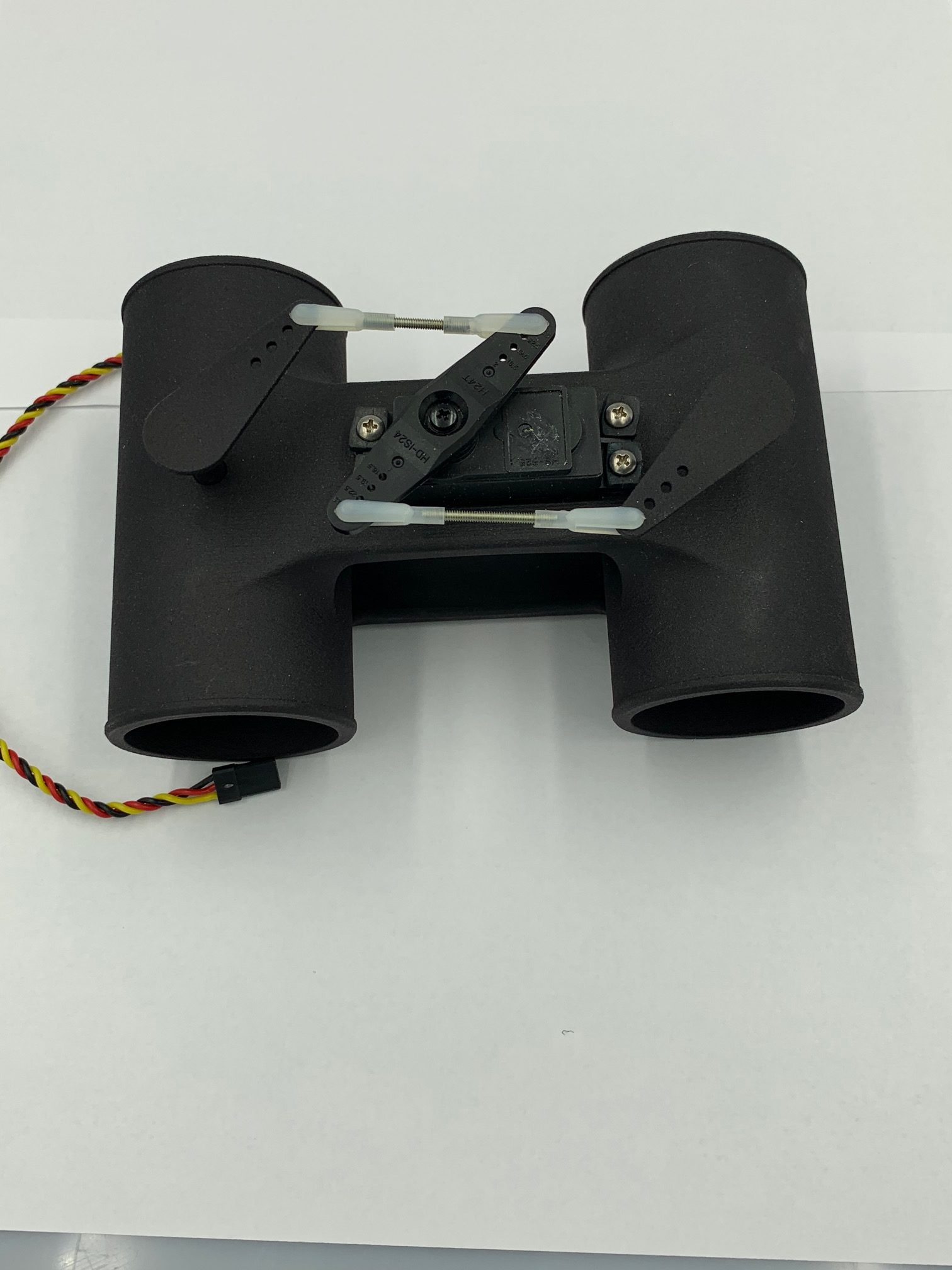

The firewall heater boxes use a door and the cold air vents use a butterfly to control the flow of air that enters through NACA ducts on the side of the plane. The single firewall unit shown is using a linear actuator. I would like to use a push pull cable that will attach to the servo inside the cabin. I would like to keep the servos out of the engine compartment to eliminate possible failures due to overheating.
The example of the butterfly unit uses a single servo to control both ducts. I want two servos here to control air to the front and back. So it will be a similar set up but each butterfly will be controlled separately.
My point exactly.........One needs to appreciate there are many tyre (tire if US) kickers around these days.
Don't know about that 2 bob servo wire use though......
Look at DS18B20s for measuring cabin temperatures. You can get a version in a metal enclosure that is purportedly waterproof. It isn't, but it should be fine inside the aircraft.
This topic was automatically closed 180 days after the last reply. New replies are no longer allowed.