Hi there,
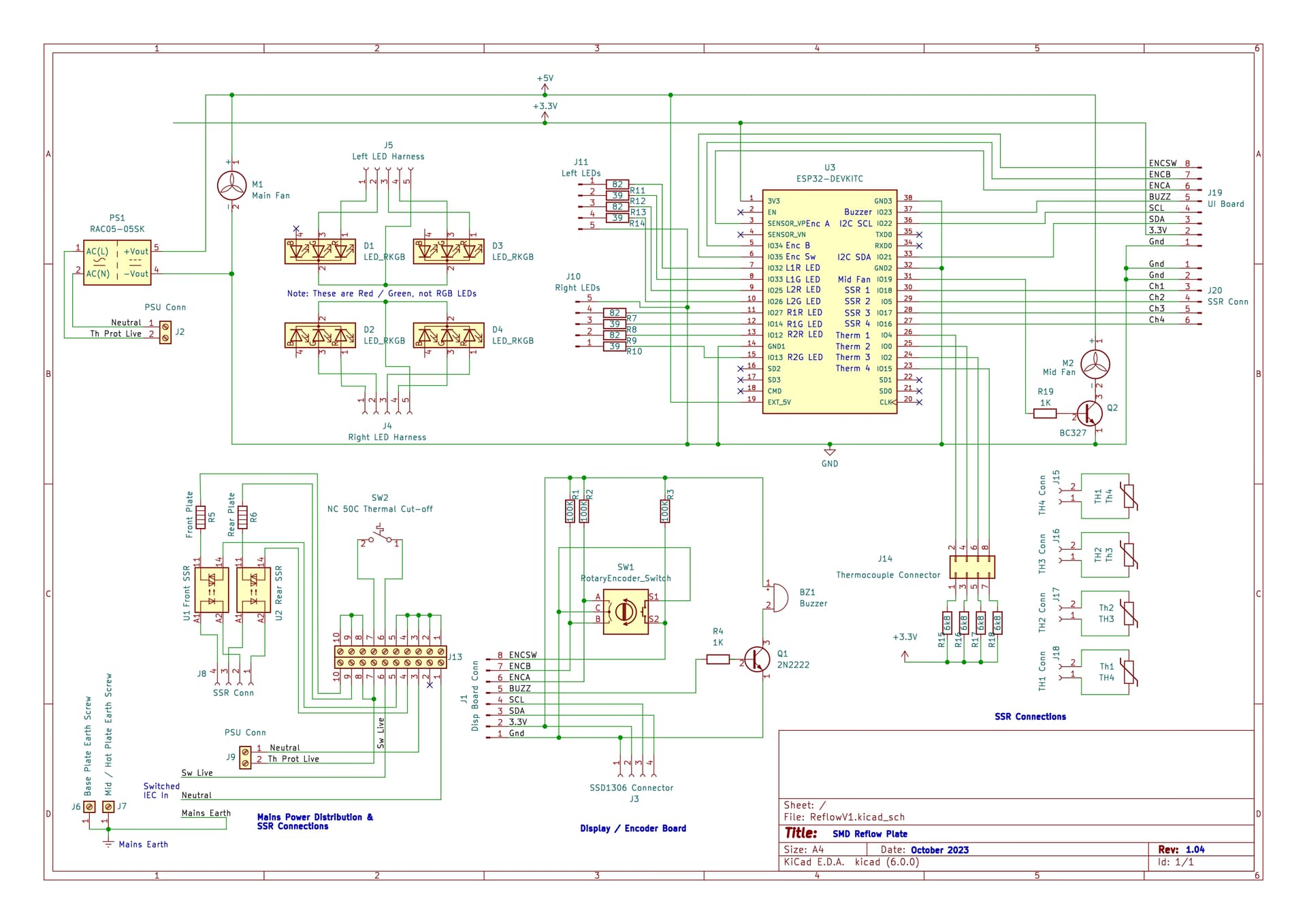
Is the following way of connecting a thermocouple to an ADC pin of a ESP32 correct?

Thanks
It is hard for me to imagine why anyone would want to do that, especially with an ESP32 ADC. Please explain your thinking, and the project goals.
What is the maximum voltage your thermocouple will generate? What is the voltage range your A/D will measure? Does there seem to be a mismatch there?
give some more details of the project?
in particular what temperature range?
You can’t do that . The output voltage of a thermocouple is very low and it needs cold junction compensation.
Unless reading high temperatures ( above 150C) a thermocouple is not a great choice .
Google thermocouples to see how they work .
You can get amplifier modules with CJC suitable for Arduino .
@TomGeorge, what I have is a thermistor.
Do you have a link to specs/data of the thermistors?
Tom.... 


following is all that could find from the local seller.
Specifications:
Negative temperature coefficient (NTC) thermistor
R @ 25: K100K-1%
B25/50: K3950-1%
Element: thermistor type MJB2
Characteristics:
(1) Electrical characteristics
A: resistance value: R (25 ° C) = 100K ± 1%
B: B value: B = 3950 ± 1%
C: Insulation resistance 50MΩ or more DC500V megger (between glass and lead
(2) Thermal time constant (τ): Τ≤10 17S (in still air)
(3) Operating temperature range:-50° C ~+ 260 ° C
I would prefer swapping R_th and R_fixed, so you don't have 3.3volt running to the reflow plate, which can short to ground.
Leo..
I would too but then the voltage goes down with increasing temperature.
Need to see what the OP says.
Consider correcting the title of your post. Thermocouples and thermistors are vastly different things.
Which, as you know, is not a problem.
It just requires swapping some variables in the code.
Leo..