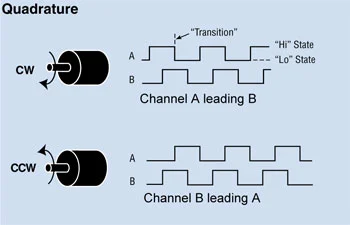
I am using the following example of a menu using an encoder:
This works great using the hardware interrupt pins 2 and 3.
However, I must change this using "#include <PinChangeInterrupt.h>" using pins 5 and 6.
The original code using hardware interrupts:
static int pinA = 2; // Our first hardware interrupt pin is digital pin 2
static int pinB = 3; // Our second hardware interrupt pin is digital pin 3

In Setup():
  pinMode(pinA, INPUT_PULLUP); // set pinA as an input, pulled HIGH to the logic voltage (5V or 3.3V for most cases)
  pinMode(pinB, INPUT_PULLUP); // set pinB as an input, pulled HIGH to the logic voltage (5V or 3.3V for most cases)
  attachInterrupt(0,PinA,RISING); // set an interrupt on PinA, looking for a rising edge signal and executing the "PinA" Interrupt Service Routine (below)
  attachInterrupt(1,PinB,RISING); // set an interrupt on PinB, looking for a rising edge signal and executing the "PinB" Interrupt Service Routine (below)

Interrupts Handlers:
//Rotary encoder interrupt service routine for one encoder pin
void PinA(){
  cli(); //stop interrupts happening before we read pin values
  reading = PIND & 0xC; // read all eight pin values then strip away all but pinA and pinB's values
  if(reading == B00001100 && aFlag) { //check that we have both pins at detent (HIGH) and that we are expecting detent on this pin's rising edge
    encoderPos --; //decrement the encoder's position count
    bFlag = 0; //reset flags for the next turn
    aFlag = 0; //reset flags for the next turn
  }
  else if (reading == B00000100) bFlag = 1; //signal that we're expecting pinB to signal the transition to detent from free rotation
  sei(); //restart interrupts
}

//Rotary encoder interrupt service routine for the other encoder pin
void PinB(){
  cli(); //stop interrupts happening before we read pin values
  reading = PIND & 0xC; //read all eight pin values then strip away all but pinA and pinB's values
  if (reading == B00001100 && bFlag) { //check that we have both pins at detent (HIGH) and that we are expecting detent on this pin's rising edge
    encoderPos ++; //increment the encoder's position count
    bFlag = 0; //reset flags for the next turn
    aFlag = 0; //reset flags for the next turn
  }
  else if (reading == B00001000) aFlag = 1; //signal that we're expecting pinA to signal the transition to detent from free rotation
  sei(); //restart interrupts
}
I have tried to change this to:
static int pinEncoderA = 5;
static int pinEncoderB = 6;

  pinMode(pinEncoderA, INPUT_PULLUP);
  pinMode(pinEncoderB, INPUT_PULLUP);

//Rotary encoder interrupt service routine for one encoder pin
void EncoderA() {
  cli();                                       //stop interrupts happening before we read pin values
  reading = PIND & 0xC;                        // read all eight pin values then strip away all but pinEncoderA and pinEncoderB's values
  //if (reading == B00001100 && aFlag) {         //check that we have both pins at detent (HIGH) and that we are expecting detent on this pin's rising edge
   if (reading == B01100000 && aFlag) {
    encoderPos--;                              //decrement the encoder's position count
    bFlag = 0;                                 //reset flags for the next turn
    aFlag = 0;                                 //reset flags for the next turn
  //} else if (reading == B00000100) bFlag = 1;  //signal that we're expecting pinEncoderB to signal the transition to detent from free rotation
 } else if (reading == B01000000) bFlag = 1;
  sei();                                       //restart interrupts
}

//Rotary encoder interrupt service routine for the other encoder pin
void EncoderB() {
  cli();                                       //stop interrupts happening before we read pin values
  reading = PIND & 0xC;                        //read all eight pin values then strip away all but pinEncoderA and pinEncoderB's values
  //if (reading == B00001100 && bFlag) {         //check that we have both pins at detent (HIGH) and that we are expecting detent on this pin's rising edge
    if (reading == B01100000 && aFlag) {
    encoderPos++;                              //increment the encoder's position count
    bFlag = 0;                                 //reset flags for the next turn
    aFlag = 0;                                 //reset flags for the next turn
  } else if (reading == B00100000) aFlag = 1;  //signal that we're expecting pinEncoderA to signal the transition to detent from free rotation
  sei();                                       //restart interrupts
}
But unfortunately nothing working.
Can anyone explain the correct usage of:
if (reading == B00001100 && bFlag)
etc.