here are the part that i want to make my wearable out of
i am wandering if i could use only jumpers without the breadboard and i am also wander would it be easy to use the ardunio lilpad issded of mini uno
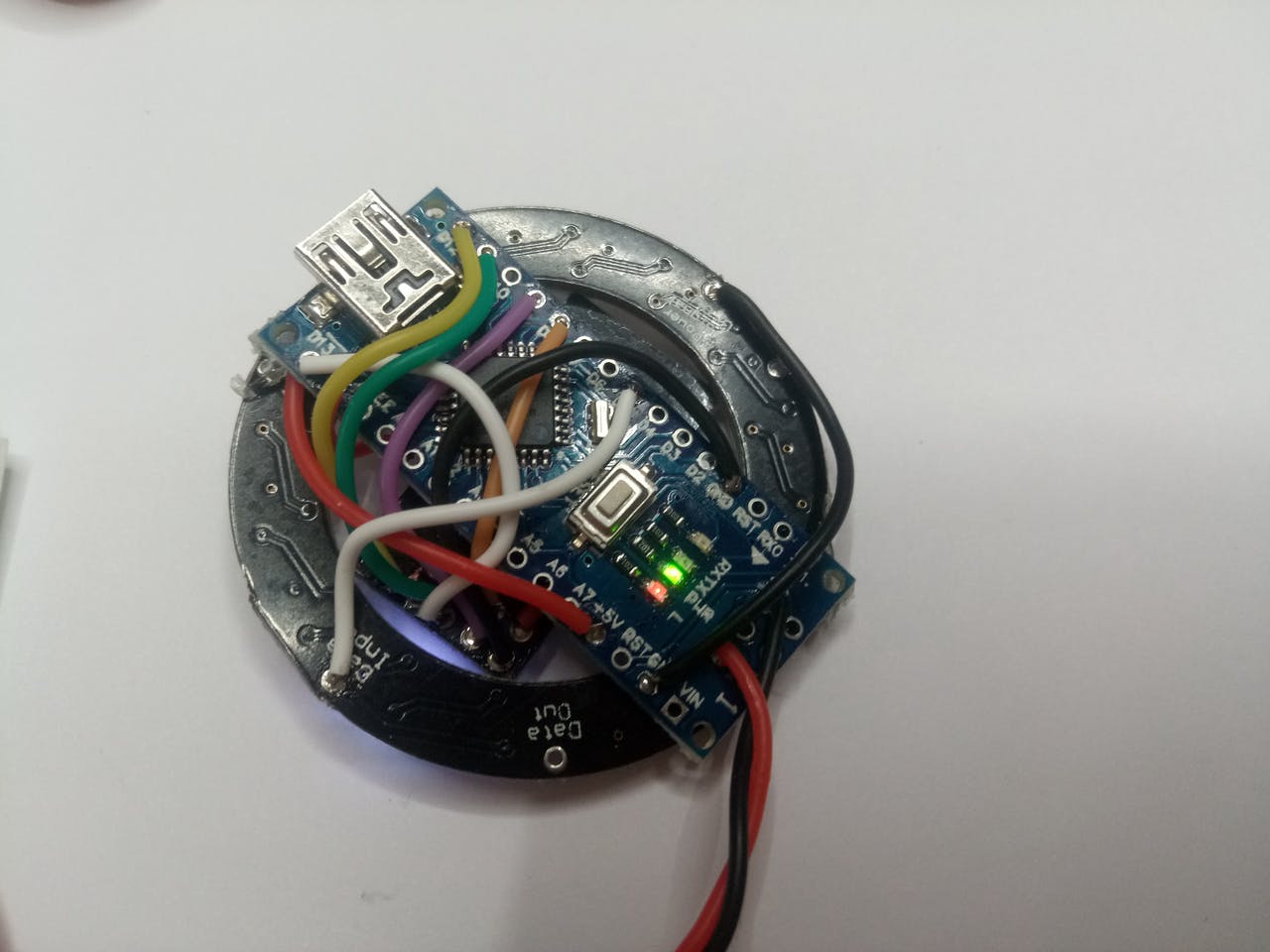
my ultimate goal here is to make a better connection between the sensor,arduinio and the bluetooth along with the battery , does not have to be perfect only work and lok acciptable
can i wire up the bluetooth , max30102 sensor with no breadboed?
it would be easier for me tho, cause i have an idea of putting together on one of the iphone holder that i use when i run at the gym
another thing is, i bought the lilypad but it seems hard to work with in term of wiring it
can someone tell how to wire anything to it so i can get an idea of how it is wired up
mans89:
Can I wire up the bluetooth , max30102 sensor with no breadboard?
Funny question!
A breadboard is only - seriously - for prototyping. Not for a usable setup.
At least the "solderless breadboards" as you illustrate. Some people do find it useful - and adequate - to assemble their project permanently on a pre-made PCB which has been modelled after the solderless breadboard but this is generally not a very compact solution.
If you want to wear this thing, you need to solder all the parts together with appropriate flexible (stranded) wires as it clearly will be subjected to movement. If you are not skilled in soldering, you really need a friend to tutor you and you need (your own set of) the equipment. That's another story in itself.
And for this, if you are going to use the Nano, bluetooth and pulse oximeter modules, you want those without the pin headers as you will be soldering the wires directly to the holes in the pads.
Paul__B:
The original illustrated uses an ESP-01 which would seem to be the most compact way to implement both processor and WiFi functionality.
That's not an ESP-01, which doesn't have a big crystal. That looks much more like an nrf24L01+ module.
The ESP-01 should in fact be able to run the whole thing. It has four I/O pins available, which is all that's needed. One for the LEDs and three for the heartbeat sensor (two for I2C and one for the interrupt - all pins on the ESP8266 can be used for I2C). That gives you WiFi to connect to your phone, no Bluetooth. That'd require more hardware.

 One on order from eBay. Should turn up here some time or other.


