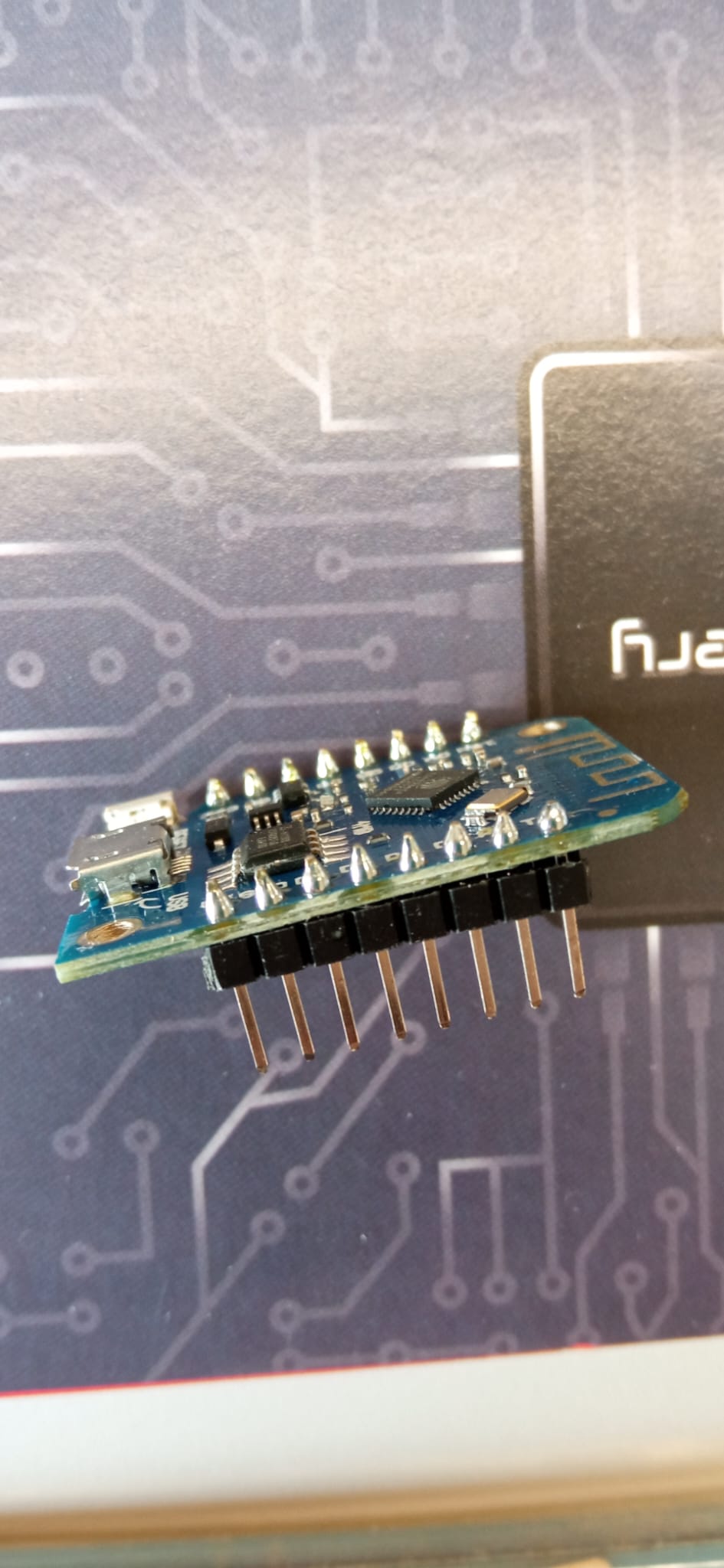
Soldering pins always get pushed trough when trying to connect Dupont wires

Hello everyone,

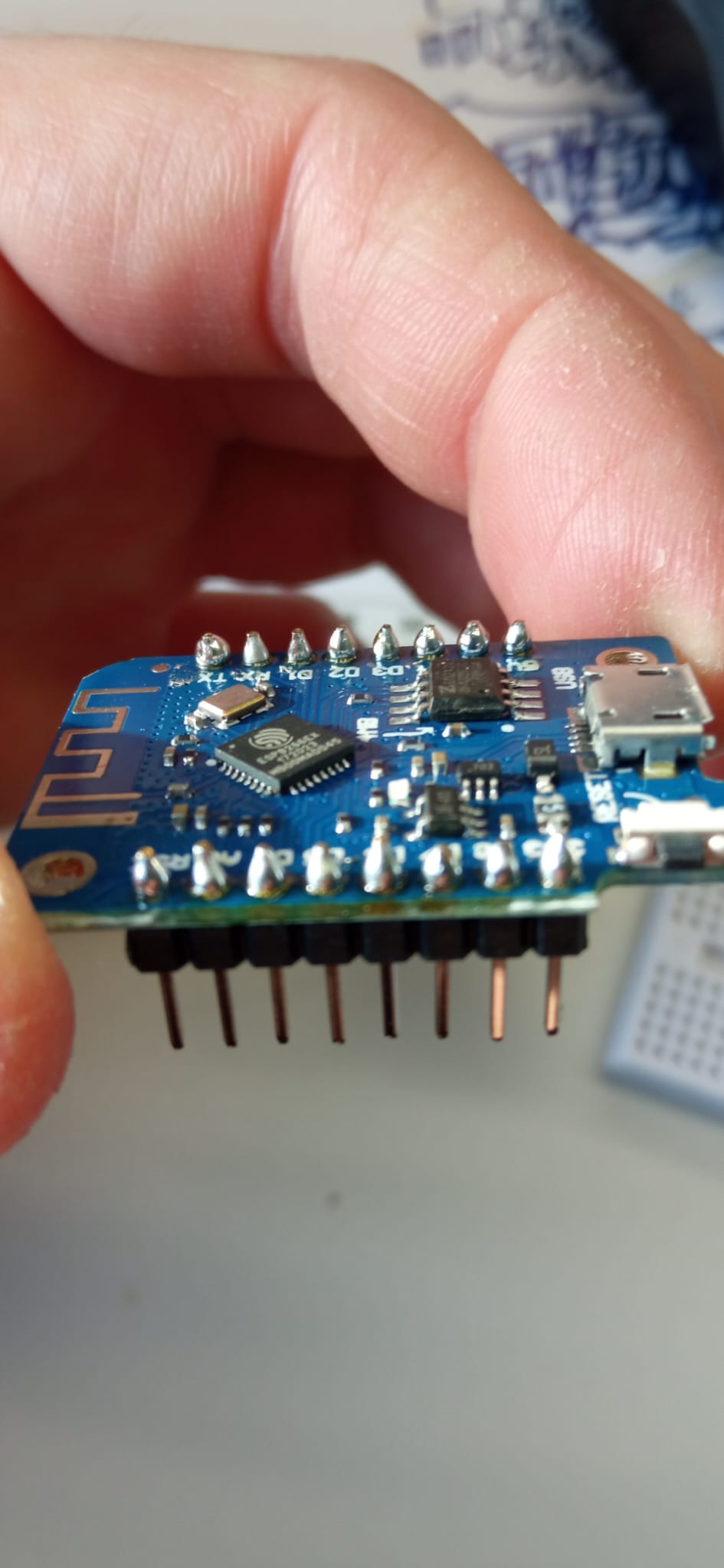
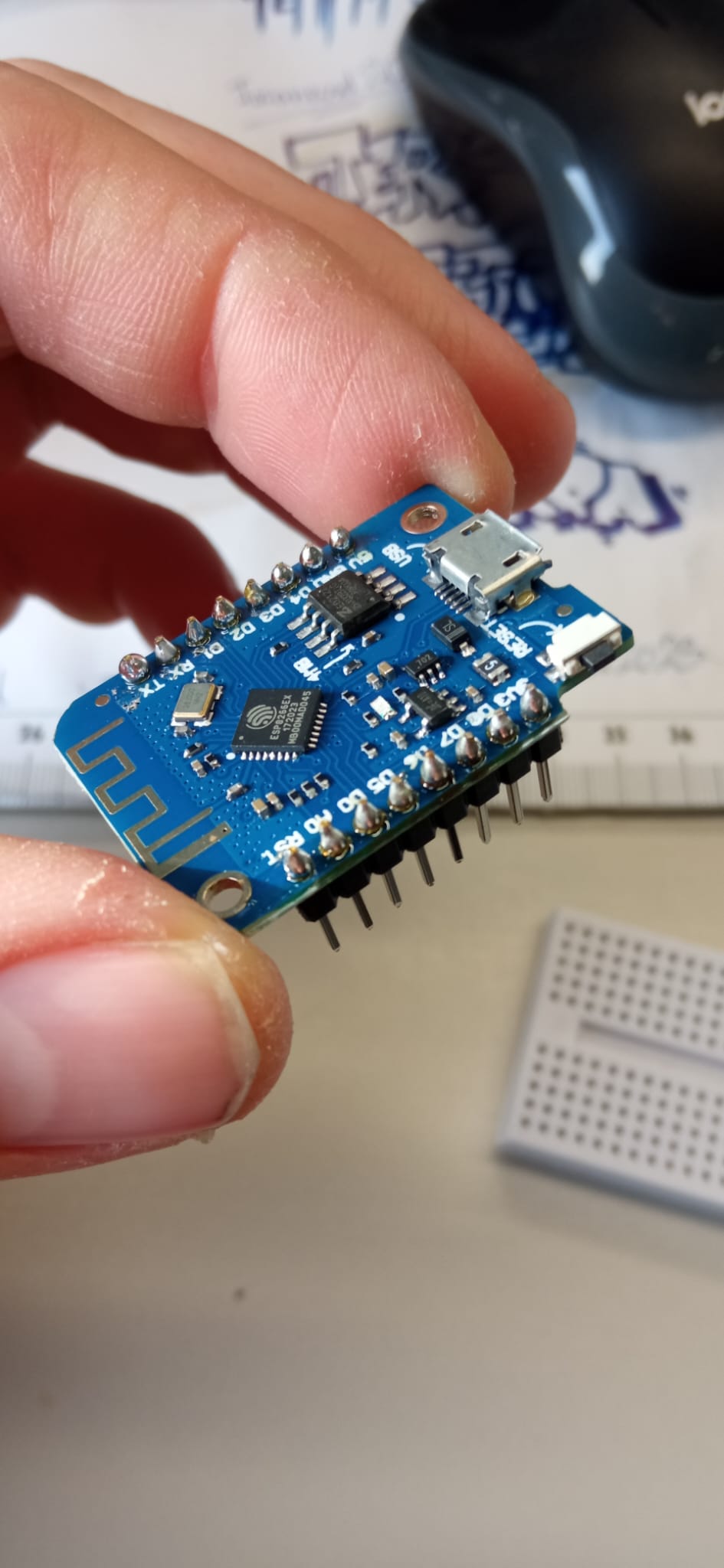
I am a total soldering noob and I got a problem with my soldered pins (big surprise! XD). After soldering my AZ delivery boards ( AZDelivery 5 x D1 Mini V3 NodeMCU ESP8266EX WLAN Modul kompatibel mit Arduino inklusive E-Book! : Amazon.de: Computer & Zubehör) I try to connect the soldered pins to Dupont wires, however the connection of the solder to the board is so weak that I can easily push trough the pins (see picture).

I use Lötzinn, Niedertemperatur 138 ℃ Bleifreies Lot (Sn42 Bi50 Cu8 / 0.5mm, 50g) : Amazon.de: Baumarkt and my soldering iron on the lowest setting which is 250°C. I always clean the tip of the iron after each pin on a damp sponge.

Could be the reason for my weak connection be that the solder I use does already melt at 138°C?

The pin that is pushed in is not soldered correctly.

Note:
I don't use lead-free solder and can't advise on temperatures.

2 Likes

Hi, @3dlukas

Low Temperature Solder 138°C Lead-Free Solder (Sn42 Bi50 Cu8 / 0.5 mm, 50 g)

That solder has Bismuth in it, this makes for a more brittle joint than lead solder.

Thanks.. Tom.. :smiley: :+1: :coffee: :australia:

1 Like

see https://www.digikey.fr/en/maker/blogs/rohs-vs-non-rohs-soldering

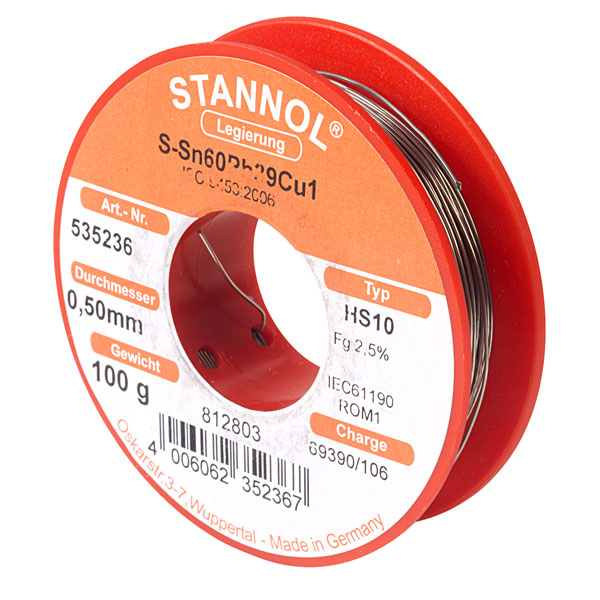
I still use 350°/400° with Stannol solder an it works fine.


(it's discontinued.)

3 Likes

Your solder looks like not having a flux core. For electronics, you need flux core solder. The flux will make the solder wick into the tube on the PCB, all the way to the other side of the PCB and then your pin has a strong mechanical connection with the pcb.

1 Like

You are right that @3dlukas needs flux, which it seems he does not use.
However, I disagree on whether there should be flux in the solder core or not.
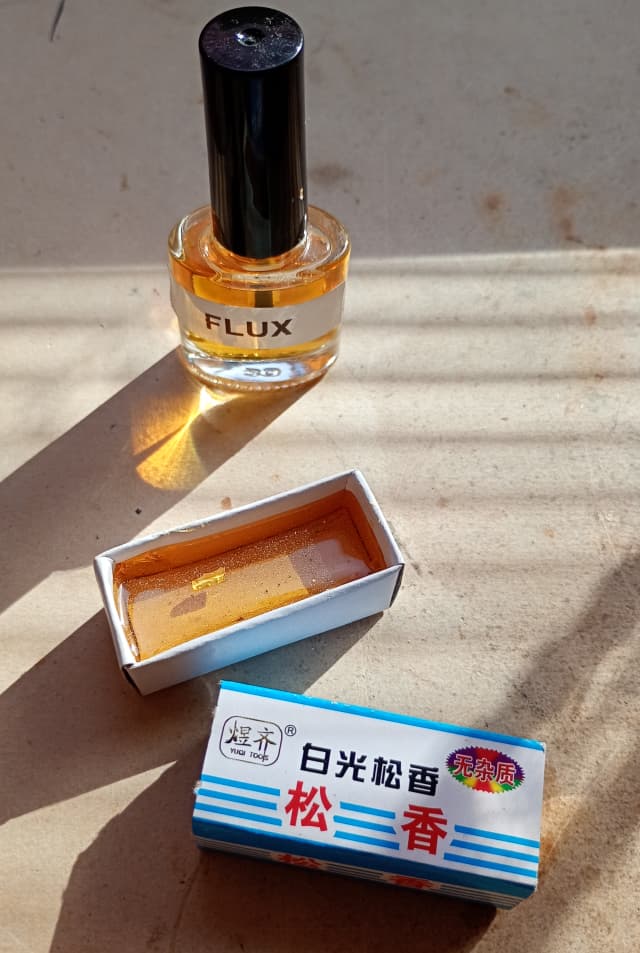
I like to use solder without flux in the center, which gives me the opportunity to add as much flux as needed.
As a rule, I add significantly more flux, usually I lubricate the parts to be joined so that they almost bathe in it :). But everything is soldered then quickly and reliably.

Flux is needed when soldering not only to remove oxides from the parts, but also to evenly transfer heat from the soldering iron to the soldering point. Therefore, there should be a lot of flux.

Addition
@3dlukas I don't recommend you to use a lead-free solder until you learn how to solder well.

2 Likes

indeed a good flux pen is useful

1 Like

@b707 Thank you for the input! So you first add flux to the pins like for example Lötflussmittel, flüssig, 50 ml, SMD FLUX RMA, NO Clean, Für BGA-Reflow, SMD-Auftragslöten : Amazon.de: Baumarkt and then you solder the pins?

Yes, that is the wrong solder to use. You don't want Bismuth in your solder unless you have a special reason!

Also it pays to get a quality solder brand, a lot of cheap solder is just rubbish, plus you can get ripped off with amount significantly less than claimed (e.g. 40g of solder instead of 100g).

I always use Multicore/Loctite brand. Most of the time I don't need flux with that.

1 Like

I also have this (leadfree) solder at my disposal CFH Elektroniklot EL 324, Ø 1,0 mm - Lötzinn mit Flussmittel bleifrei 70 g, Ideales Lot für präzise Feinlötungen in der Elektronik und Elektrotechnik, Made in Germany : Amazon.de: Baumarkt. Is this any good?

yes
I apply liquid flux ( it spreads better over the part than thick ), trying to make sure that it moistens the entire joint of the parts as much as possible.

1 Like

I am with you on that one. I make my own liquid flux by dissolving rosin in Isopropanol (IPA).

2 Likes

Thank you for all the input, my friends :slight_smile:
Do you have any recommendations for solder I should purchase?

You now know that this happened because of the weak solder you used.

But even after you have fixed that, I would ask why you are connecting Dupont wires to the pins? This will result in a messy, fragile circuit.

The ESP board is designed to be plugged in to a breadboard for prototyping, or soldered to a protoboard/stripboard/veroboard/PCB for the final version of the circuit.

1 Like

Guys! I have used the above mentioned solder (which has flux in it) and the results are incredible! Now it is a really strong connection! Thank you my friends! I was definitely lacking flux!
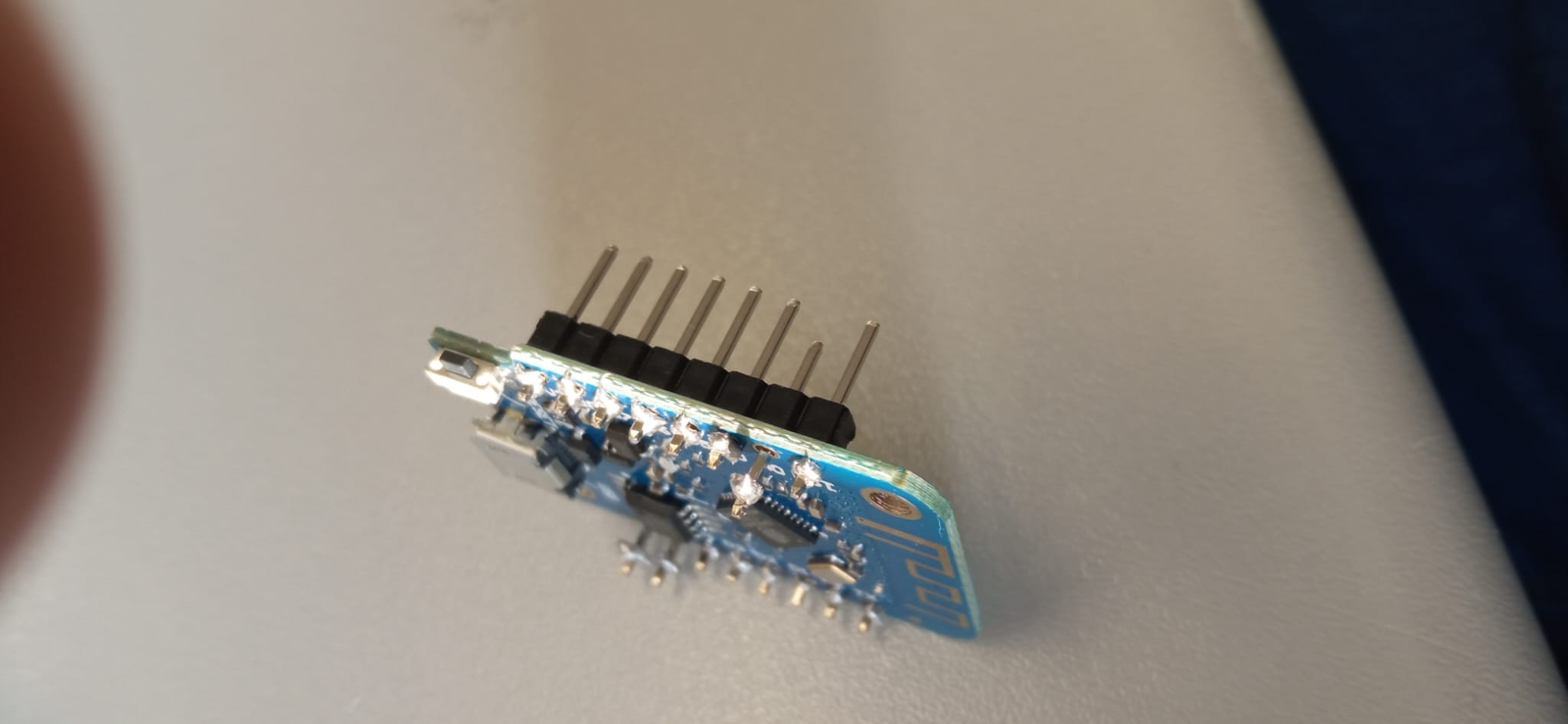

Much better.

But some of the joints looks like the solder did not flow onto the pcb pad.
Your must heat up both the pin and the pad.

Look at those pins.

How about this:


2 Likes

Much better , practice makes perfect.

1 Like

This topic was automatically closed 180 days after the last reply. New replies are no longer allowed.