I want to use the arduino uno connect with the NRF240L radio module, since the module is fake or clone, it may needs more current to work. Then, when I check the current draw out from the 3.3 v or 5.5 v pin of the uno board, my multimeter shows only 0.2 uA or 0.5 uA. I had read the notes that uno can draw up to 20 mA on any one I/O pin.
So, why I only have smaller current in uA from the 3.3 v or 5.5 v pin? How can I have current in mA from the 3.3 v or 5.5 v ?
Welcome to the forum
You cannot for the 3.3V or 5V pins to output more current because it depends on the resistance of the load
Please post a schematic of your project. A picture of a hand drawn circuit is good enough
Hi,
Welcome to the forum.
Where are you measuring this current, where does the current flow, what is the load.
As @UKHeliBob has suggested a schematic would be good, please include power supplies.
Thanks.. Tom.. 


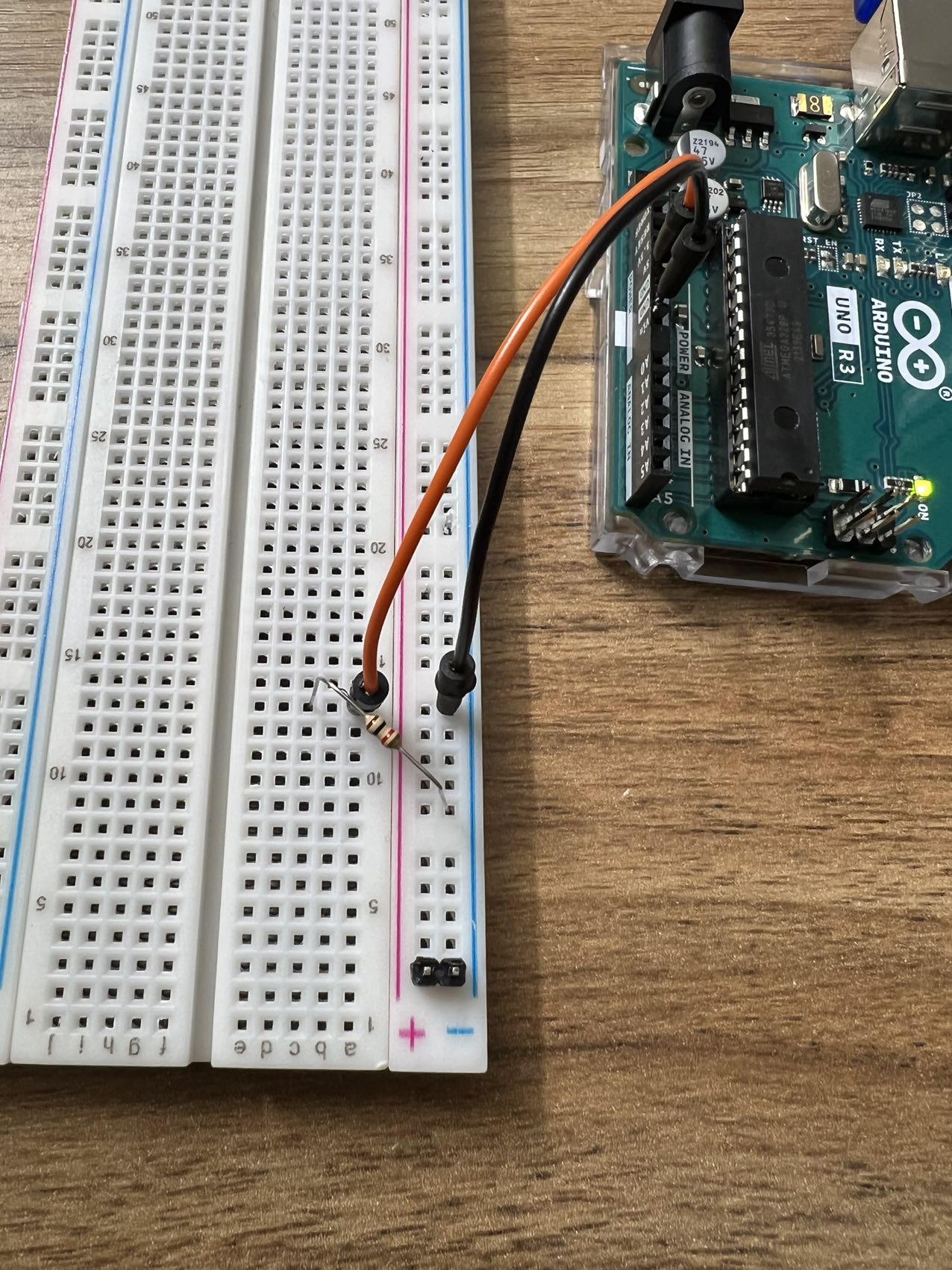
With no load there cannot be any current because the circuit is not complete. What exactly did you measure ?
5V across a 1K resistor should give a current 5/1000 A, ie 5mA Are you sure that you are reading the meter correctly and where exactly are you measuring the current ?
Eh? How did you come to that reasoning?
The key word here is UP TO. This doesn’t mean that things you connect to it should draw max allowed current or else
I put the oscope probes of the meter on the both side of the 1K resistor, I very sure that the result is about 5 v, and 0.05mA. The current is smaller 100 times
This was a short circuit. Perhaps you fried your 5v pin with it and then it can't draw normal output current.
I read many tutorial of how to use NRF240L, and I test it with many different examples from the tutorials and other forum user. The NRF240L cannot transmit and recevie the data.
Thank you for your irrelevant answer, to a question I never asked. I’m fully satisfied with it
5 star! 
Hi,
Can you post some images showing your meter and probes and how you have them connected into the circuit you are using and how you have the leads connected to the meter.
Thanks.. Tom...
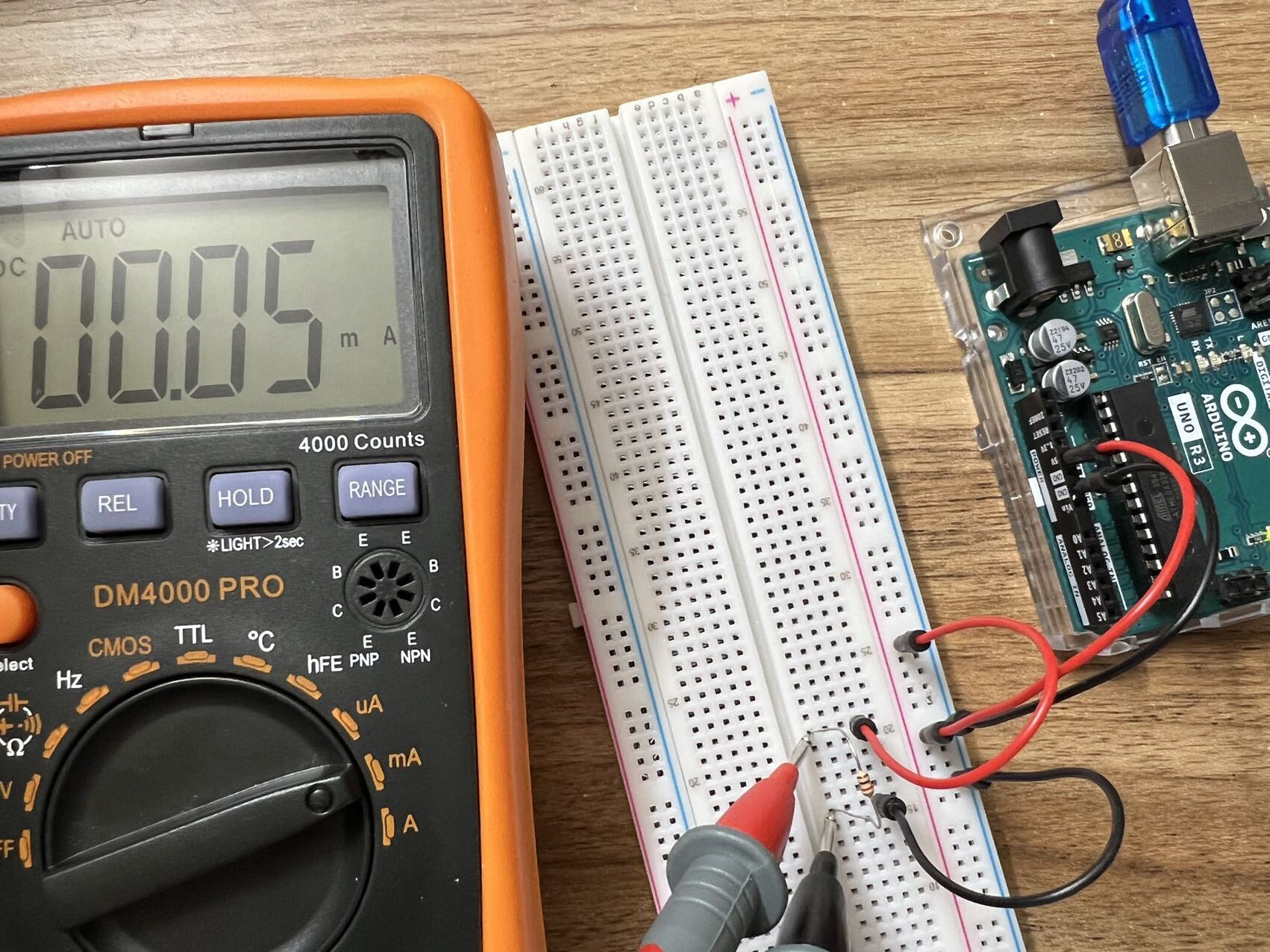
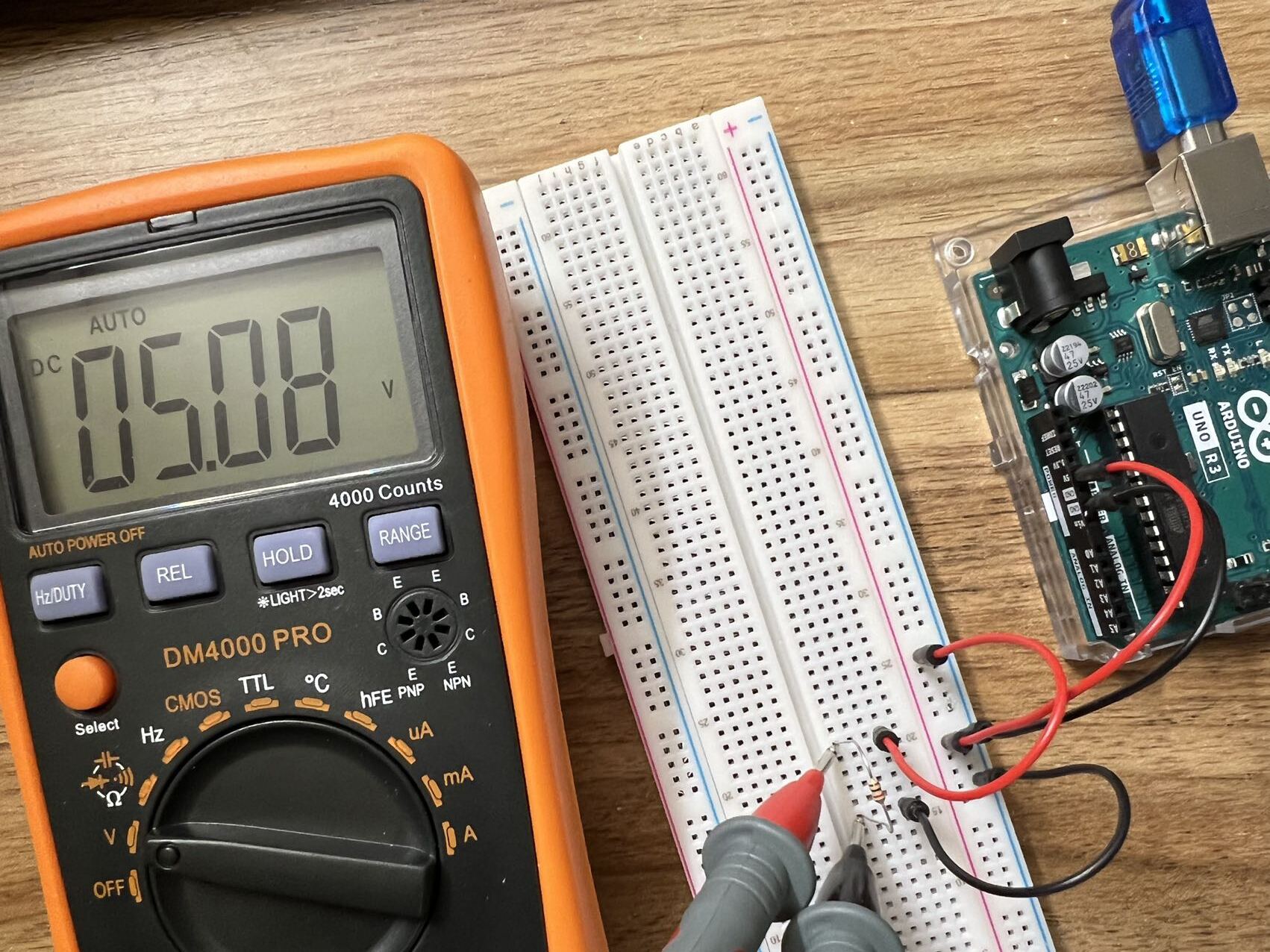
Hi,
Not being able to see where you have the leads plugged into the DMM I will not answer.
Get the manual out that came with your DMM, or download it after a Google search, and read how to take a current reading.
Or Google;
how to use a dmm
Tom...
Even I didn't show the leads plugged into the DMM, I know how to use DMM. It's not the mistake of how I test. The voltage is correct, but not the current.
Someone who knows how to use a DMM would never measure current without a load
I have some doubts, sorry.
- You do not measure current over a resistor; you measure in series with the load.
- If you don't have a load, you can not measure current.
thanks to @sterretje :
@maple004
Your connections are completely wrong!
You have to connect resistor and DMM IN SERIES!
Hi,
Sorry but if you had the leads connected to the DMM in the correct way for current, you would have either shorted the 5V supply, and or blown the 400mA internal current shunt fuse.
Where did you connect the leads on the DMM to measure current?
A picture would be great.
This is worth a thousand words.

Tom...
Only three coffees ?