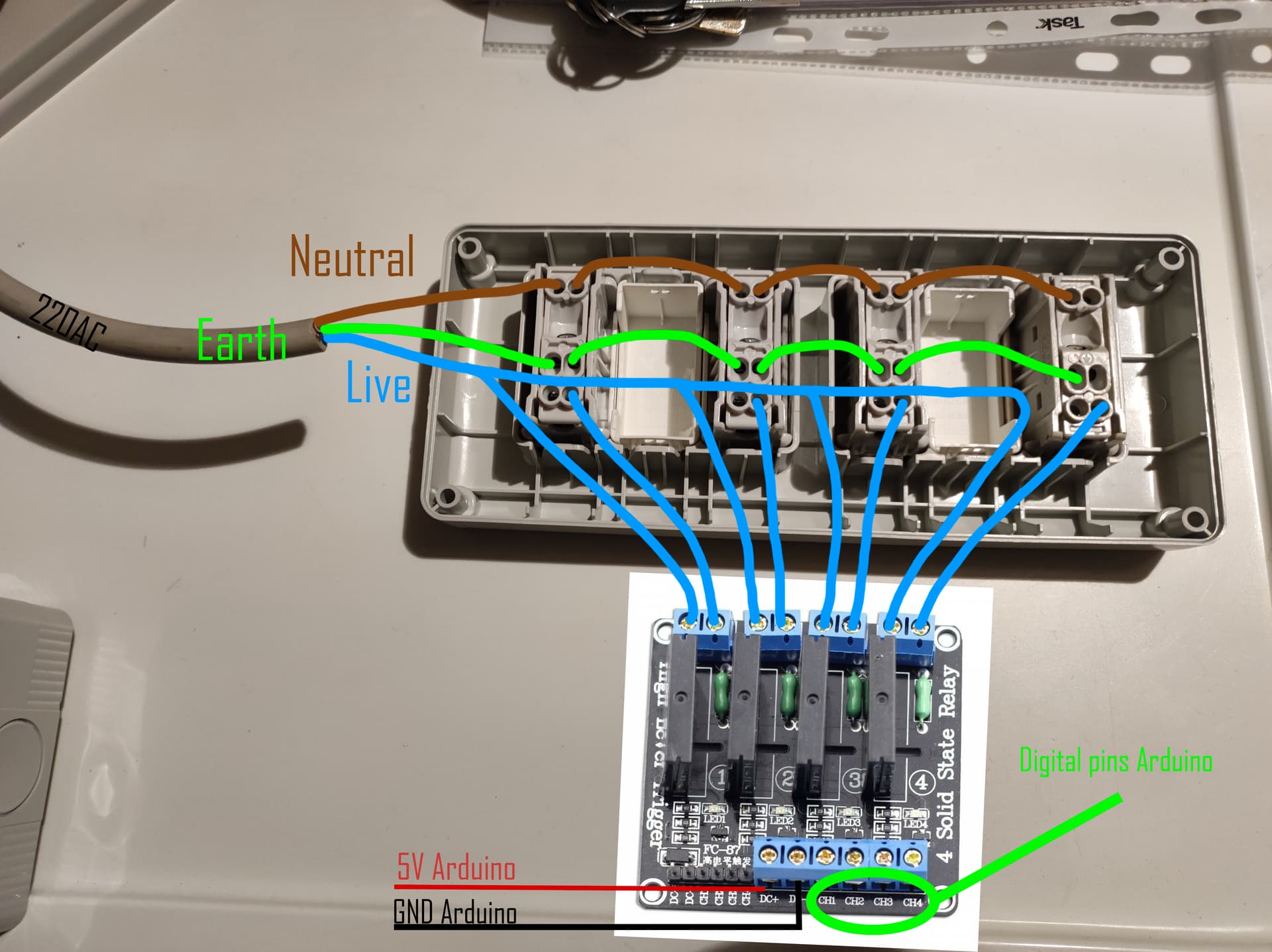
Hi everyone. For my "meat aging machine" project I need to turn on and off multiple devices remotely according to the value of temperature ad humidity read by a sensor. I want to make a power strip with 4 outlets. I want to control each of those with a solid state relay (I have a module of 4). Is it safe to wire it like I show in the figure below? The solid state relay module will be in a separate box and Arduino will be in a third box. My concern is about those 5V, GND and signal cables that go from the 220AC box, where the relay module is, to the 5V Arduino box. Is there any way to wire this more safely? Sorry for my ignorance,
What is the Amp rating of those SSRs? What is the maximum Amperage of the loads you are connecting?
I was thinking the brown wire is usually LINE (hot) and blue wire NEUTRAL, be careful of polarity.
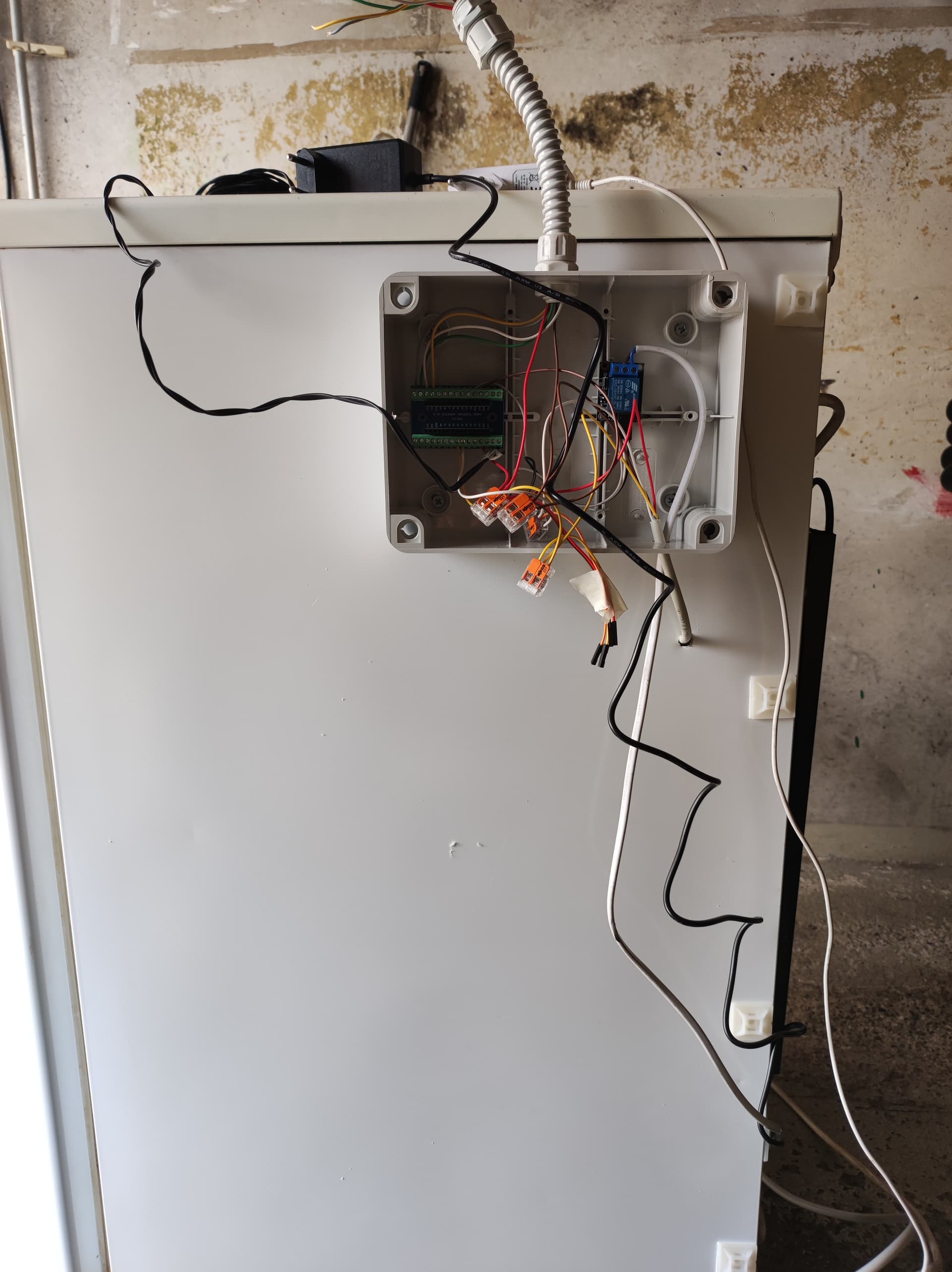
Hi everyone. After setting up the project, once I plugged my refrigerator in its outlet, the SSR relay burned out. That's probably because of the inrush current at the start. So 2A are not enough for that. How can I replace it? I thought about 10A standard mechanical relay boards (Songle relays) but many people are not recommending those because they fail very easily. I've seen there are opto-isolated boards with SLA Songle relays rated for 30A. Can you recommend any safer/more reliable solution? (Safety is my first concern, having to deal with AC voltage and high current devices) Below some pictures of the project.
I have similar shaped SSRs from an old convection oven. There were 10-12 relays plugged into a circuit board. They were actually plugged in to sockets on the board so they could be replaced. Are your relays also plugged into the module? Even if they are soldered, you could replace that burned relay by unsoldering it and soldering in a replacement.
My concern when thinking about buying one of these is the isolation of the DC part from the AC one. I know the relay module uses a transistor to drive the switching mechanism as well as an optocoupler so that the DC part is completely electrically isolated. But what about these SSRs? I will be connecting this to arduino so I need it to be very safe.
In general… SSR’s do not deal well with inductive loads, especially hermitically sealed compressors. Looks to be a small fridge so maybe a 50amp + SSR may be suitable but you need to buy a real/reputable SSR and also should be heat sinking them.
I dont know your budget and timeline but a mechanical relay would really be better in this situation (for the compressor)…
I looked through my box of SSR and the same form factor is a Potter & Brumfield OACM-5H. That relay is rated for 5A at 240VAC. IT is also the highest Amp rating in the product line.
I have many others in the form with heat sinks that go to 50 amps at 240 VAC. So the OP has a choice to actually measure the current required or change the enclosure to include a heat sinking material.
My similar units are plastic, but are quite heavy, so I think they have an internal heat sink plate that sends heat to the outside through a thin plastic layer.
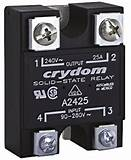
This is a picture of one that I use. It is also zero cross. They have a heavy aluminum back plate which keeps them cool. This brand in my experience is conservatively rated. They take more space but again they will do over 10 x the current.
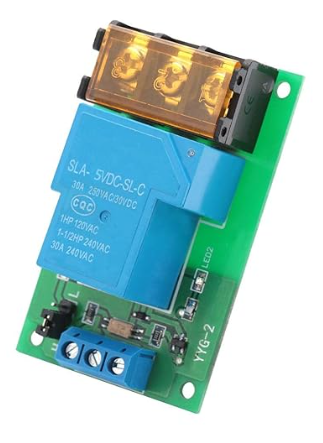
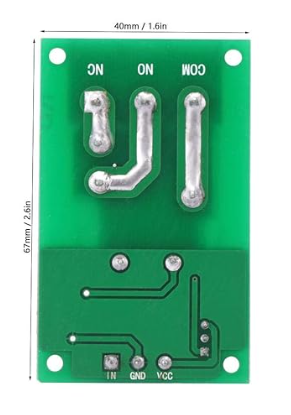
I'd prefer to use a ready-made breakout board because they're already well isolated with optocouplers. Will this be a good choice? It's rated for 30A. I can't find any board with OACM-5H, so I will have to solder a board with optocoupler and transistor to drive it, but i prefer not to do it and trust the work of people that are more qualified than I am
That would be my choice if you can tolerate the clicking, but I would replace the cheapy Songle relay with a name brand like Omron or Potter & Brumfield.
Hi again everyone. I ordered the relay board above, rated 30A 250VAC from Aliexpress. Now I've read a bit about switching inductive loads with relays, spikes, electrical arcs etc. I'm a little bit concerned about switching the refrigerator with that board since I don't want to damage it and I don't want to take useless risks. If the board is opto-isolated, is there any risk of making Arduino going live? I've read about snubber circuits, is this one of the case in which you would advise to implement one of those? Thank you very much