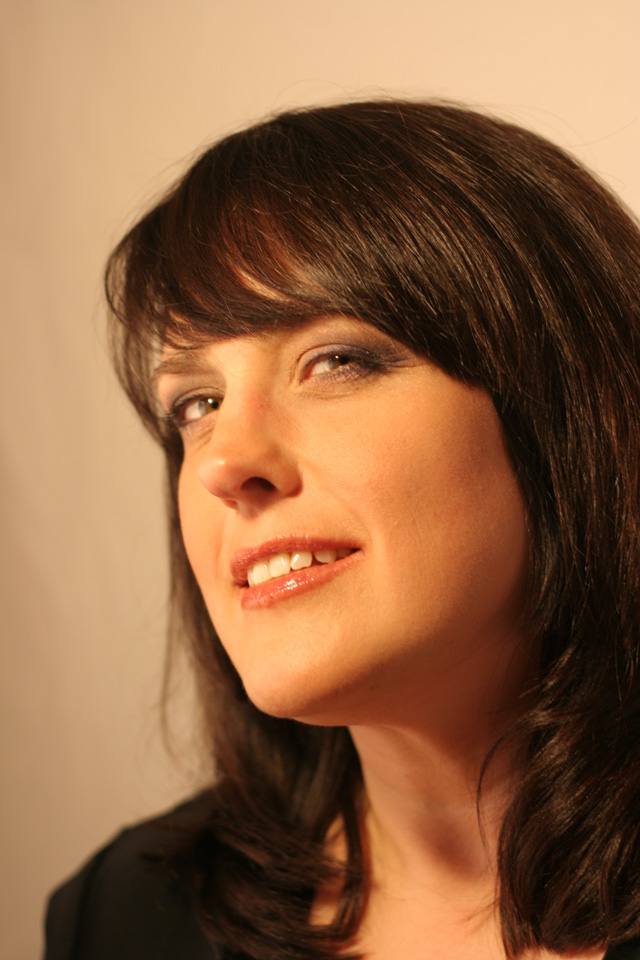
I decided that the new board needed a new discussion on the topic.. another bit of commercial/goof around shooting done last night, this time in my kitchen. Once again, a small "recessed lighting" fixture with a Warm White (2700k) 10w CREE LED was instrumental in getting some of the best shots.
Up until I got this particular LED flood (which was purchased for $20 from Home Depot), I had been disappointed quite severely with the actual usefulness of LED's for photography- the monochromatic, very cold "white" LED's that have been the market until recently are only useful under very limited conditions- Macro photography, etc.. and even then, the light was inferior to halogen, only more usable because LED's don't heat up like a Halogen.
That being said, LED's have a lot of advantages if they can be made to work well- the first being power consumption. Though the fixture I'm using is 110vAC, of course it's just a 3.4v LED inside, pulling 3A. That's a power level EASILY provided by portable battery sources for hours.. and throwing 600ish Lumens of light that shoots very much like a 75-100w halogen.. except (bringing us to benefit #2) that the whole thing is cool to the touch, even after an hour of continuous use. I can place this flood INCHES from a face, and it's not uncomfortable to the model.. a very nice diffuser is part of this bulb setup. Benefit #3 and #4 are combined.. simply put, the cord and socket weigh as much as the bulb, making a total of about three pounds. Each one of the halogen heads weighs about 12 pounds, and is fragile. The LED was dropped numerous times, because it's light enough to be handheld (number three).. No filament to break... benefit number four.
The shots below were lit 45 degrees off shooting angle (more or less) on both sides with 70w of studio halogen through white nylon bounce diffusers from about three feet on the right and five on the left. All the direction and accent lighting is being done with that 10w CREE. As soon as a little spare cash can be rustled up, I want to pick up four (minimum) of the power LED's, to see how well they can be used to replace the heavy and fragile halogens completely. The CREE was being held by the hair/makeup artist (John Manning.. a great friend and one of the best on the east coast of the USA.. trust me, it's not the camera work as much as it is his work.. I'm a passable photographer, but he'll be doing Elton John's makeup next month pre-show here in Boston. His portfolio includes Cheech and Chong's recent tour, GaGa's Girls (Lady GaGa's backup dancers), and a disturbing cross section of pretty much anyone good looking from 1990 on. I've already pleaded and begged.. not a chance that I'll even be able to get a backstage pass, much less meet or actually take shots of Sir Elton, though..)
I'm of the belief that LED lighting is about to become very important to professional photography, and we may be able to come up with some interesting ways to play with these new power LEDS that outdo any other light source, and quite soon, technology wise.. as a hobbyist in both electronics and photography, I see great things on the horizon.
All shots taken with a Canon EOS Rebel XT, a Canon f1.8 50mm Prime series II ("Nifty Fifty", the $99 plastic one!) - these shots have not been color balanced or edited, only resized to post... the color rendition is VERY workable... this is right off the memory card.
The second two are of Heather, but the first is Mrs. Focalist.. never forget which side your butter is breaded on..
Since we have a decent population of photography enthusiasts around here, let's see what you've done with photographic LED lighting.. or ideas for their use.. Under current consideration is building a high-speed, short-duration strobe for stop motion use.. LED's are capable of emission times in the nanosecond range..