Yes, it's the small mistakes that mess things up...I'm sure I'm missing something that should be obvious to the more experienced such as yourself, which is why I'm gonna try my hardest to create another schematic tomorrow so you guys can go over it and spot any mistakes that I'm not experienced enough to notice.
Next time you try, before you connect those wires to the relay, try touching them together and see if it activates the panel...
Way ahead of you, that's the first thing I tried when it didn't work via the relay. The result was it didn't switch. I also tried switching the wires around and it still didn't switch.
That's when the gremlins were at work. 
hahaha, It may take a while but I'm determined to find them all and give them a damn good kicking.
The specs for the panel are given here and show 48-65 vac 50/60HZ
It's pretty low current and in the small demo film being used, the drive voltage is coming from the battery pack and a transformer.
Hei, thanks for the link, very good find and it's really helpful for me to understand the PDLC film more!
That's what I would think.
There must be some sort of logic somewhere if one push turns it on, and the next push turns it off.
I'm not clear on how those latching types of switches actually work.
Do you think that perhaps there is something going on underneath the white epoxy blob? Some sort of micro circuit or something?
Quite likely. I'm not very knowing about hardware, but with Google searching on latching push button switches I come across simple circuits like this
https://www.edn.com/latching-power-switch-uses-momentary-pushbutton/
Some of the components on the board, may be related to the switch as well as the transformer.
I would think that if you are going to replace the on/off switch on your board with an Arduino controlled switch it want's to be momentary across the existing contacts, and let the electronics on the board take care of the latching.
And that is precisely what it is with five connections, it's called a "COB" and an "ASIC" and it no doubt contains both a toggle function to switch on the device and the oscillator which drives the transistor which in turn drives the transformer.
The switch is/ was connected between an input to that COB chip and battery negative. It certainly should work just by touching the two white wires together unless it has been damaged by ESD.
Its liquid crystal, it will not switch instantly. However the slow switch-off could simply be that you left it floating and the voltage discharges only via leakage currents - switching it between supply and ground with SPST switch/relay (common to the PDLC, NC to ground, NO to supply) will prove if this is the case. Observe safety precautions!
Sorry for the lateness of my reply, had some family stuff to get through but I'm back now with good news.
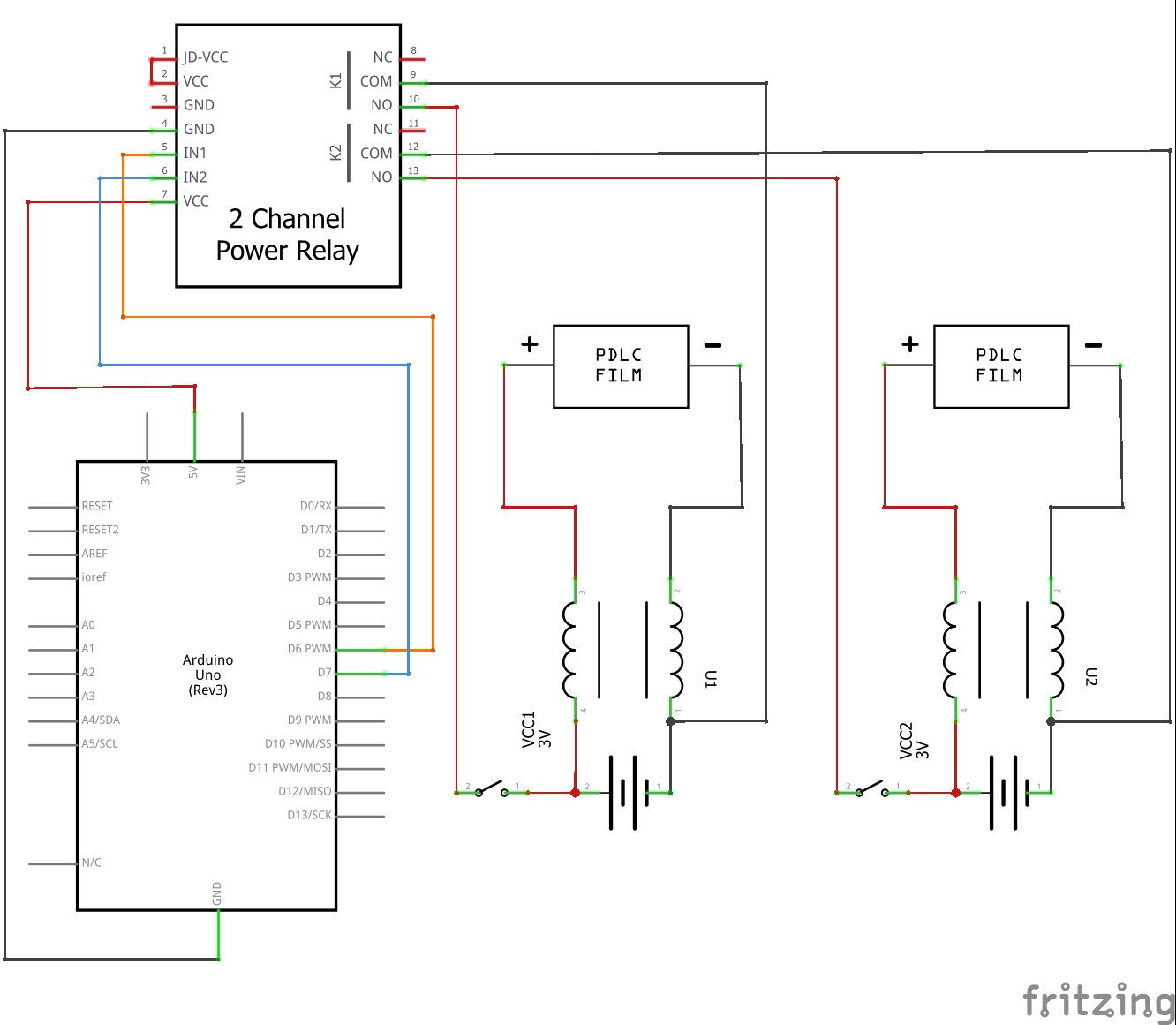
So I soldered two seperate wires to the connection terminals of the push button switch and connect those wires to the relays. It works like a charm, switches instantly and fast enough (delays of <1s). Here's my schematic for it, I'm not sure I got the connections right though, the addition of the toggle circuit and transformer really confused me.

Here's a video of it switching:
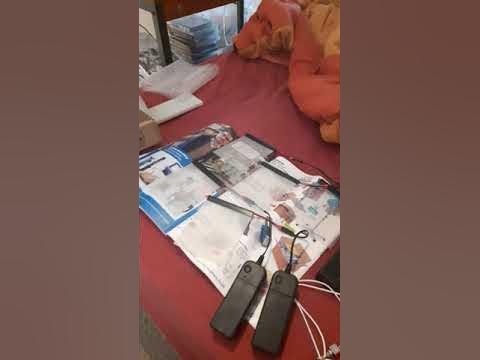
and another showing a glimpse of what I plan to do with them:
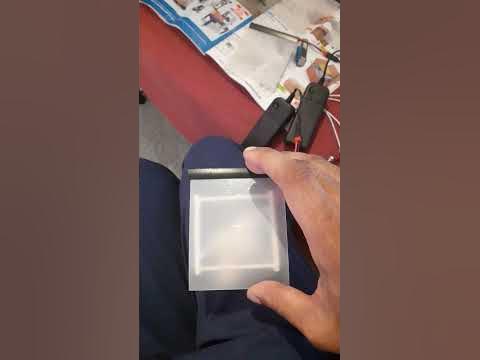
Thanks all for your help, I'm really happy I joined the forum and asked the question, I've learned a lot and I'm surprised the solution was so simple that I didn't see it.
This topic was automatically closed 120 days after the last reply. New replies are no longer allowed.